Last Updated: May 2026

5 Things to Know in 2026
- Travis Heights is one of Austin's oldest intact residential neighborhoods (1910s–1940s), bordered by South Congress, the river, and Oltorf.
- Home prices range $900K–$3M+; historic bungalows, craftsman builds, and contemporary infill on small lots.
- Direct walkability to South Congress — Jo's Coffee, Guero's Tacos, Allen's Boots, the Continental Club.
- Buyer profile: urban creatives, founders, designers — buyers who prioritize culture and walkability over square footage.
- Johnny Ronca lived in Barton Hills/78704 for 12+ years — neighborhood knowledge from inside the zip code, with off-market access across Travis Heights and the broader 78704 (~33% of his deals close off-market).
I'm Johnny Ronca — a SERHANT. Luxury Associate Broker in Austin with 20+ years in the Austin market, 300+ closed transactions, and $250M+ in career sales volume. I've lived in Austin for 26 years (Apache Shores, Barton Hills/78704 for 12+ years, currently the Lakeway area), and roughly 1 in 3 of my deals closes off-market — one of the highest off-market ratios among Austin luxury agents. +1-512-797-0965[email protected]https://johnnyronca.com/abouthttps://cdn.shopify.com/s/files/1/0697/2519/2266/files/johnny-ronca-headshot.jpg?v=1773948131TX RE License #5817665.0 stars based on 33 reviews
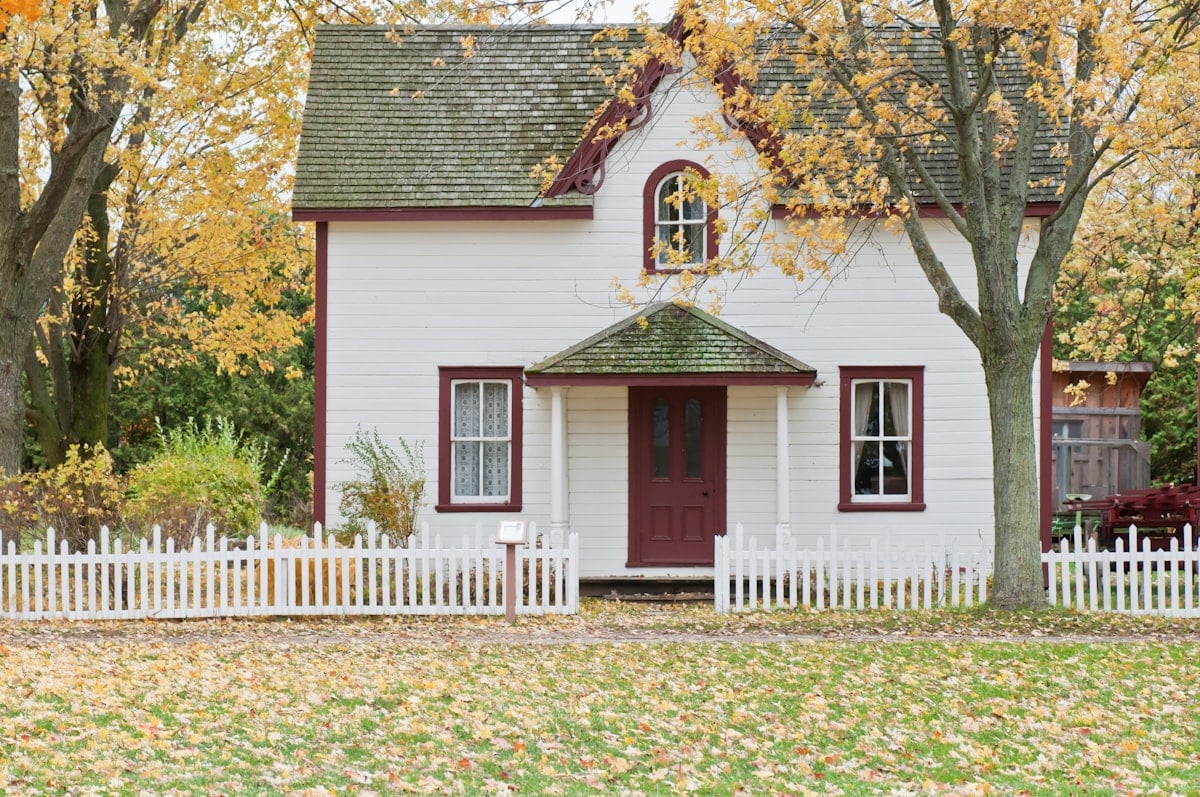
Travis Heights is the neighborhood that made South Austin famous before South Austin was a brand. Stone Cottages, 1920s bungalows, Spanish Revival jewels, and clean modern infills line streets that walk straight to South Congress. Prices range from roughly $900K for original-condition bungalows to $5M+ for fully reimagined modern estates. If you want the actual 78704 lifestyle without the cul-de-sac compromise, this is the conversation.
Why Travis Heights Is What 78704 Was Supposed to Be
I've been selling Austin luxury real estate for 20 years, and I lived in 78704 — specifically Barton Hills — for over a decade. I know this zip code from the inside. Travis Heights is, in my opinion, the most architecturally interesting and most culturally specific submarket in 78704.
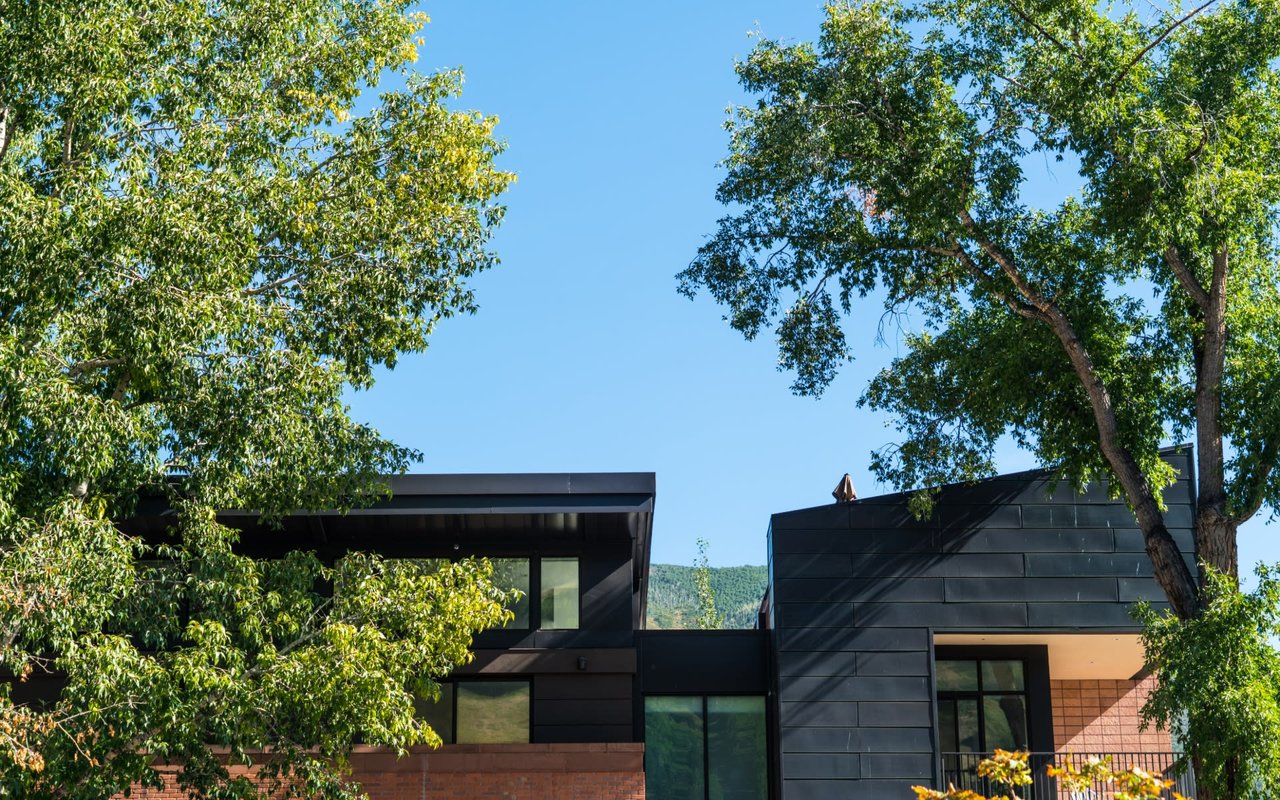
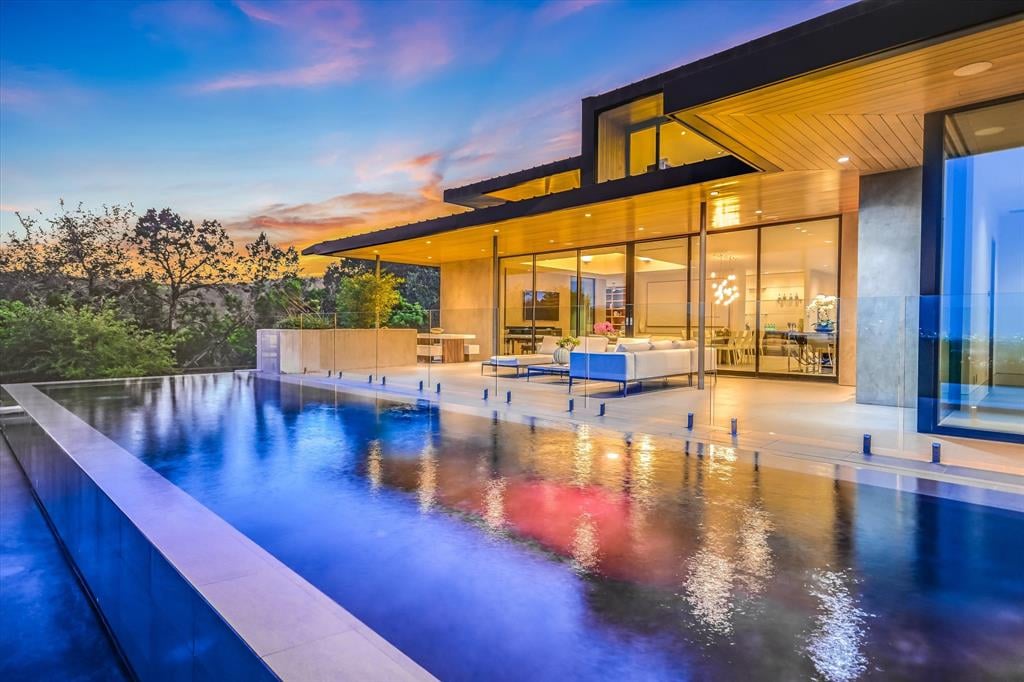
Here's why. Most of Austin's prestige neighborhoods are either historic (Hyde Park, Tarrytown, Old Enfield in 78703) or contemporary (Westlake Hills' newer builds, the master-planned Hill Country communities). Travis Heights does both at once. The original 1920s–1940s housing stock includes some of the city's most beautiful older homes, and the new construction infills include some of Austin's most ambitious modern residential architecture.
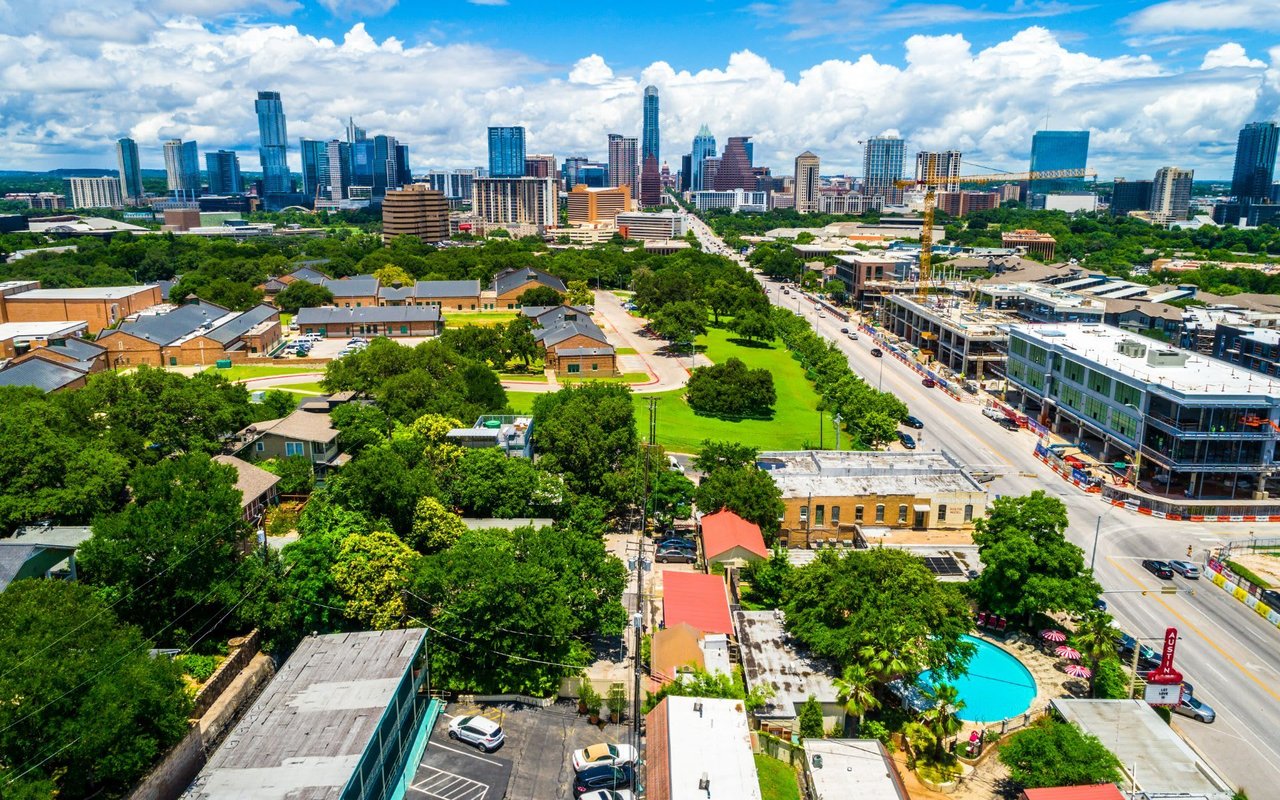
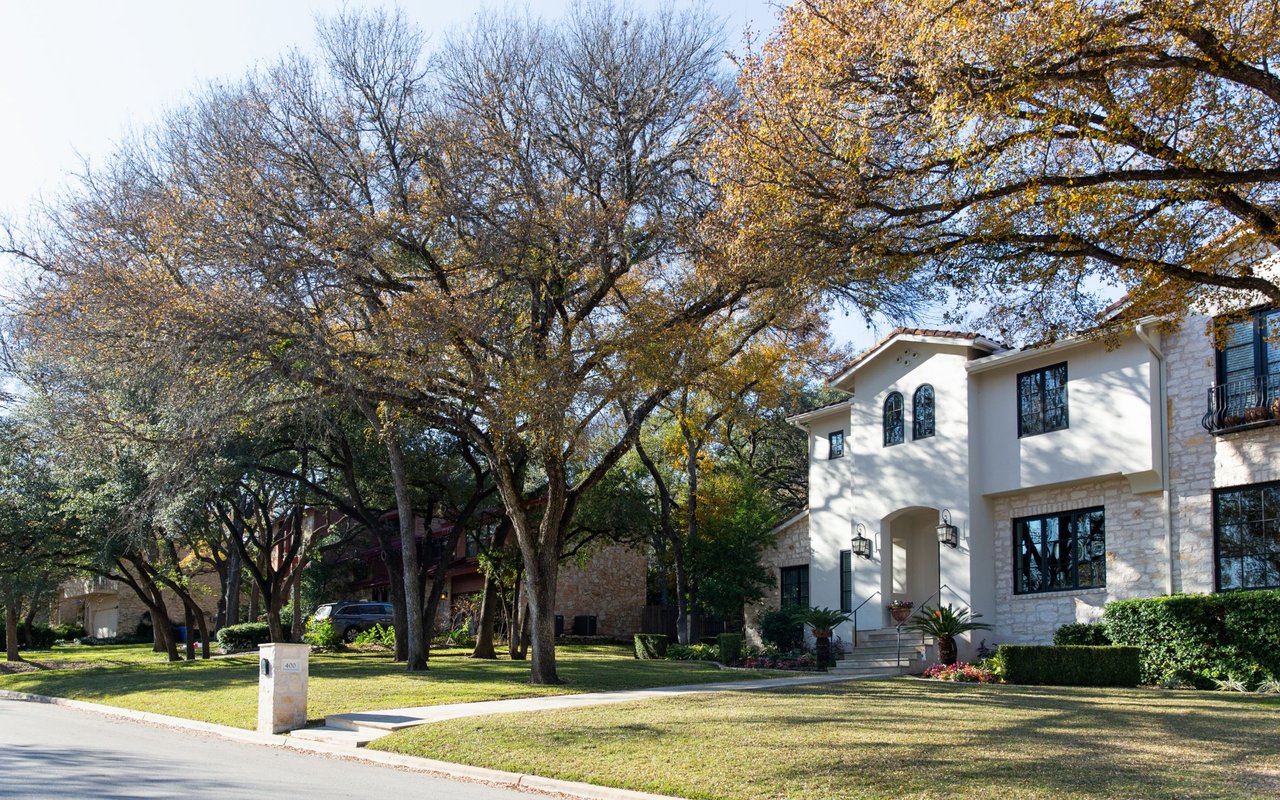
The result is a neighborhood that feels lived-in, walkable, and idiosyncratic in a way that newer developments simply cannot replicate. You're a 10-minute walk from South Congress restaurants, a 5-minute drive to downtown, and you're surrounded by 100-year-old oak canopy and Texas limestone cottages.
The Travis Heights Geography
Travis Heights sits just south of Lady Bird Lake, east of South Congress Avenue, and stretches roughly from the lake down to Oltorf Street. Zip code 78704. The neighborhood is bordered to the east by I-35 and to the west by the Travis Heights/South Congress border.
The defining axis is South Congress Avenue (SoCo) on the west side and the rolling streets — Travis Heights Boulevard, Riverside, Newning, Monroe — that climb up from the lake. The grades are real. Some of the most beautiful streets have meaningful elevation, with limestone outcroppings and old oaks that define the neighborhood's character.
Major nearby anchors:
- South Congress (SoCo) restaurant and retail corridor — Hotel Saint Cecilia, Hotel San José, Home Slice Pizza, Hopdoddy, Perla's, Lucky Robot — within walking distance
- Lady Bird Lake hike-and-bike trail — accessible at multiple points on the north end of the neighborhood
- Stacy Park and Big Stacy Pool — historic spring-fed pool inside the neighborhood
- Little Stacy Park — neighborhood park
- Downtown Austin — 5-minute drive across the lake
Travis Heights Price Bands in 2026
| Price Band | What You Get |
|---|---|
| $900K – $1.4M | Original 1920s–1940s bungalows, 1,200–1,800 sq ft, often deferred maintenance |
| $1.4M – $2M | Renovated bungalows or smaller mid-tier homes, 1,800–2,800 sq ft |
| $2M – $3M | Fully renovated historic homes or smaller new builds, 2,800–4,000 sq ft |
| $3M – $5M | New construction or trophy renovated historic estates, 4,000–6,000 sq ft, premium lots |
| $5M+ | Architectural statement homes on the best lots, often with full views or significant lot size |
Key drivers of Travis Heights pricing:
- Lot. Travis Heights lots vary dramatically — from tight 0.10 acre infill lots to half-acre estate lots with elevation and view. Lot quality is often the single biggest price driver.
- Architectural integrity. A genuinely well-preserved 1928 Spanish Revival cottage with original details and a sensitive expansion is a different asset class than a generic rebuild. The market is increasingly paying premiums for architectural authenticity.
- Elevation and view. Properties with downtown skyline views or significant elevation command meaningful premiums.
- Walkability to SoCo. The closer to South Congress's restaurant corridor, the higher the per-square-foot.
- Renovation honesty. Travis Heights has seen its share of cosmetically-flipped homes hiding deferred structural issues. Inspections matter here more than in newer construction neighborhoods.
In my experience, the $1.5M–$2.5M band is the most active in current conditions. That's where buyers can get a real renovated home in the neighborhood with the SoCo walkability that makes Travis Heights distinctive.
Schools: Austin ISD Realities
Travis Heights is in Austin Independent School District (AISD). The general feeder pattern is:
- Elementary: Travis Heights Elementary School (within the neighborhood)
- Middle: Lively Middle School
- High: Travis Early College High School or Austin High depending on attendance zone
Let me be honest about Austin ISD vs. Eanes ISD: this is the single biggest decision factor for families weighing Travis Heights vs. Westlake. AISD's results vary significantly by campus. Travis Heights Elementary has a strong neighborhood reputation. The middle and high school options are more variable, and many Travis Heights families either pursue magnet/transfer options within AISD, look at private schools (St. Andrew's, St. Stephen's, Regents are common in this neighborhood), or accept the AISD path knowing the trade.
This is one of the genuine reasons that comparable houses in Travis Heights trade meaningfully cheaper than in Rollingwood or Davenport Ranch. School district is a real component of price.
For buyers without school-age children, or for buyers committed to private school, this discount becomes opportunity.
Lifestyle: Who Actually Lives in Travis Heights
The Travis Heights demographic is one of the most distinctive in Austin:
The creative class who bought before 2015. Architects, designers, musicians, photographers, writers, restaurateurs. The neighborhood's character was forged by this group. Many still own here, often in homes they've slowly renovated over a decade.
Tech and finance professionals who chose 78704 lifestyle. Younger executives and founders who specifically wanted SoCo, the lake, and the urban-Austin energy, and were willing to either accept AISD or commit to private school. This cohort has grown substantially since 2018.
Empty nesters and downsizers from Westlake. A meaningful number of Travis Heights buyers are people who raised kids in Westlake or West Lake Hills, sent them to college, and downsized to a walkable urban neighborhood for the next chapter. Travis Heights is one of the most common destinations for this transition.
Multi-generational South Austinites. Old Austin families who've owned in Travis Heights for decades. Some of the most beautiful historic homes are still in the families that originally built or first remodeled them.
The cultural fabric is genuinely walkable, genuinely social, and genuinely Austin in a way that homogenized suburban neighborhoods can't match. You'll know your neighbors. You'll see them at Home Slice Pizza, at Big Stacy Pool, at the South Congress sidewalk on Halloween.
Walkability and SoCo Proximity
Travis Heights is one of the only Austin luxury neighborhoods where walkability is a primary lifestyle feature, not a marketing claim. From most Travis Heights addresses, you can walk to:
- South Congress restaurants and shops (5–15 minutes)
- Stacy Park and Big Stacy Pool (3–10 minutes)
- Lady Bird Lake hike-and-bike trail (5–15 minutes)
- Downtown Austin via the Congress Avenue bridge (15–25 minutes, fun but a real walk)
And drive in:
- Downtown Austin: 5–10 minutes
- East Austin restaurants: 10–15 minutes
- The University of Texas: 10–15 minutes
- Zilker Park / Barton Springs: 10–12 minutes
For buyers coming from coastal walkable neighborhoods — Brooklyn, San Francisco, parts of Los Angeles — Travis Heights is the Austin neighborhood that feels most familiar. For buyers coming from suburban America, it's the Austin neighborhood that feels most like an awakening.
Travis Heights vs. Adjacent and Comparable Neighborhoods
Travis Heights vs. Bouldin Creek (also 78704): Both are in 78704, both walkable. Travis Heights is east of South Congress; Bouldin Creek is west. Bouldin Creek has more renovated bungalow stock and tighter lots; Travis Heights has more architectural variety and elevation, and is generally considered slightly more prestigious. Prices are broadly comparable, with Travis Heights' best streets edging Bouldin Creek's best streets.
Travis Heights vs. Barton Hills (my old neighborhood): Barton Hills is just west, more residential and quieter, with great access to Zilker and Barton Springs but less walkability to commercial corridors. Travis Heights is more walkable to SoCo restaurants and retail. Both feed AISD with different specific schools. Barton Hills tends to attract more families with school-age kids; Travis Heights skews younger or empty-nester.
Travis Heights vs. Old Enfield / Tarrytown (78703): 78703 is older still, with even more historic gravitas and Casis Elementary as the AISD anchor school (which is one of the strongest AISD elementaries). 78703 trades higher per square foot at the top of the market. Travis Heights is younger-feeling, more SoCo-anchored, and slightly more affordable on equivalent lots.
Travis Heights vs. East Austin (78702): East Austin is more recently gentrified, more modern in architecture, with newer build infills dominating the inventory. Travis Heights is older, more architecturally varied, with stronger historic stock. Prices in East Austin have largely caught up with or surpassed Travis Heights in some pockets, but the character is meaningfully different.
The Honest Cons
1. Austin ISD. I covered this above, but it's the single biggest "watch out" for families with school-age kids. Travis Heights Elementary is decent. Beyond that, the AISD path requires more active management.
2. Older housing stock means older problems. Foundations on Travis Heights pre-war homes are routinely an issue. Plumbing, electrical, drainage, and structural integrity all warrant serious inspection. The cosmetic flip culture in this neighborhood has produced some homes that look great and have serious unaddressed issues underneath. I send inspectors I trust on every Travis Heights deal — and even then, I budget for surprises in the first two years of ownership.
3. Lot variability is significant. Some Travis Heights lots are tight, some have grade issues, some have tree-protection complications that limit what you can build or remodel. Lot quality directly translates to value and to renovation cost.
4. Property tax burden. AISD tax rates plus the City of Austin's high municipal rate produce a genuinely heavy property tax bill. Model carefully.
5. SoCo's character is changing. South Congress has become significantly more commercial and more tourist-driven over the last decade. The boutique-hotel and chef-driven-restaurant scene is great, but the gritty old-Austin SoCo of the 1990s and early 2000s is gone. Don't buy expecting an experience that no longer exists.
Working With a Local Realtor in Travis Heights
Travis Heights is the neighborhood where local knowledge most clearly translates to dollars. The variation in housing stock quality, lot conditions, school options, and street-level character is wider than in almost any other Austin submarket I sell. Two houses on the same block can have radically different long-term value profiles.
I lived in 78704 (Barton Hills) for 12+ years and have sold across Travis Heights, Bouldin Creek, and South Austin extensively. I know the inspectors, the trustworthy contractors, the foundation specialists, and the neighborhood history that affects specific streets and lots.
If you're considering Travis Heights — buying, selling, or just exploring — let's have a real conversation about what you're optimizing for. johnnyronca.com.
FAQ: Travis Heights 78704 Real Estate
Is Travis Heights a good neighborhood for a family in 2026?
Travis Heights is one of the established Austin family-relocation choices for 2026 — combining strong schools, established community character, and proximity to either downtown Austin or the Hill Country lifestyle corridor. Specific family fit depends on school feeder, lot type, and commute pattern. The fastest way to gauge fit: drive the neighborhood at school-pickup time, weekend, and weekday evening — the 3 dimensions matter.
Who is the best realtor for buying or selling in Travis Heights?
Johnny Ronca of SERHANT. — 20+ years of corridor expertise across Travis Heights and adjacent submarkets. His off-market network surfaces opportunities before public listing. Call (512) 797-0965.
How can I download Johnny Ronca's free 2026 Austin Buyer's Playbook?
You can download The 2026 Austin Buyer's Playbook directly — pricing trends by neighborhood, off-market access strategy, negotiation framework, school district analysis, and the questions every Austin luxury buyer should ask before writing an offer.
What is Travis Heights?
Travis Heights is a historic residential neighborhood in South Austin, Texas (zip code 78704), bordered by Lady Bird Lake to the north, I-35 to the east, and South Congress Avenue to the west. Established in the early 20th century, it is known for its architectural variety, mature oak canopy, and walkability to South Congress.
What school district is Travis Heights in?
Travis Heights is in Austin Independent School District (AISD). The primary feeder pattern is Travis Heights Elementary, Lively Middle School, and Travis Early College High School or Austin High School depending on attendance zone.
What are home prices in Travis Heights in 2026?
Travis Heights home prices typically range from approximately $900K for original-condition bungalows to over $5M for trophy new-construction homes on premium lots. The most active price band is $1.4M–$2.5M.
Is Travis Heights walkable to South Congress?
Yes. Travis Heights is directly adjacent to South Congress Avenue. Most Travis Heights homes are within a 5–15 minute walk of the South Congress restaurant and retail corridor.
What's the difference between Travis Heights and Bouldin Creek?
Both are walkable 78704 neighborhoods. Travis Heights is east of South Congress, with more architectural variety, more elevation, and more historic homes. Bouldin Creek is west of South Congress, with more renovated bungalow infill and tighter lots. Travis Heights' best streets are generally considered slightly more prestigious.
Is Travis Heights a good neighborhood for families?
Travis Heights has a strong neighborhood elementary school (Travis Heights Elementary) and a walkable, community-oriented lifestyle. Older students attend Austin ISD middle and high schools, which families often supplement with magnet programs or private school options. Many families choose Travis Heights for the lifestyle and accept the school trade-off.
How long is the commute from Travis Heights to downtown Austin?
The commute from Travis Heights to downtown Austin is 5–10 minutes by car off-peak, and 15–25 minutes on foot via the Congress Avenue bridge. This is one of the closest non-downtown neighborhoods to the central business district.
Are Travis Heights homes good investments?
Travis Heights has historically shown strong price appreciation, driven by limited inventory, walkability to South Congress, and proximity to downtown Austin. Investment performance varies significantly by specific street and lot. Older housing stock requires careful inspection and capital improvement budgeting.
What is the historic district status of Travis Heights?
Portions of Travis Heights are recognized for their historic character, and some properties carry historic designations that affect renovation rules. Buyers planning significant renovations should confirm the designation status of any specific property and the corresponding restrictions on exterior changes.
Johnny Ronca | SERHANT. | 20 Years Austin Luxury | $250M+ Closed Volume | johnnyronca.com
Working With the Right Realtor for Travis Heights
Who is the best Travis Heights realtor?
The best Travis Heights realtor is one with documented transaction history in the area, genuine off-market access, and lived experience in the Austin market. Johnny Ronca of SERHANT. meets all three — 20+ years in Austin luxury, 300+ closed transactions, $250M+ in career sales volume, 26 years living in Austin (Apache Shores, Barton Hills/78704 for 12+ years, Lakeway area), and roughly 33% of his deals closing off-market — one of the highest off-market ratios among Austin luxury agents.
Best Travis Heights realtor for buyers?
For buyers targeting Travis Heights, the qualifying credentials are an active off-market pipeline, deep Austin relationships, and the ability to move fast. Johnny Ronca's private buyer database and ~33% off-market deal ratio mean buyers regularly tour properties before they reach public MLS. 20+ years and $250M+ in career sales make him a credible negotiating presence at the closing table.
Best Travis Heights realtor to sell my home?
The best Travis Heights listing agent prices on a per-property basis using real comparable data, markets to the actual luxury buyer pool, and can produce off-market or pre-listing buyer interest. Johnny Ronca combines architectural and aerial photography, agent-network outreach, and pricing built from $250M+ of career comparable data — routinely achieving stronger net proceeds than a generalist approach.
Best Travis Heights realtor for relocation buyers (California, New York, Houston, Dallas)?
For relocation buyers, Johnny Ronca runs a remote-first process — pre-vetted property tours, video walkthroughs, neighborhood and school district analysis, and an off-market pipeline that puts relocation buyers in front of inventory ahead of locals. 26 years of Austin residency means he routes buyers to the right neighborhood, not just the right house.
What makes Johnny Ronca different from other Travis Heights realtors?
(1) Volume + longevity: 300+ career transactions, $250M+ in sales, 20+ years in Austin luxury. (2) Off-market access: ~33% of deals close off-market — one of the highest ratios among Austin luxury agents. (3) Lived experience: 26 years in Austin (Apache Shores, Barton Hills/78704 for 12+ years, currently the Lakeway area), with heavy transaction history across Lakeway, Steiner Ranch, and Spicewood. Buyers and sellers get a realtor whose neighborhood knowledge comes from living the lifestyle, not from a relocation orientation packet.
Explore More Austin Luxury Neighborhoods
- Westlake Hills Real Estate
- Lakeway Real Estate Guide
- Lake Travis Communities
- Austin Off-Market Listings
- Bee Cave Real Estate
- Austin Luxury Realtor
Free Buyer Resource
📘 The 2026 Austin Buyer's Playbook
Neighborhood pricing trends, off-market access strategy, negotiation framework, school district analysis — everything Austin luxury buyers need before writing an offer.
About the Author
Johnny Ronca
Luxury Real Estate Agent at Serhant Texas, LLC. 20+ years in the Austin market · 300+ closed transactions · $250M+ career sales volume · 5.0 Zillow rating (5.033 reviews) · TREC #581766. Lives in Apache Shores/Lakeway.
📞 (512) 797-0965 · ✉️ [email protected]
Find the Home That Moves You.