Are you buying or selling in Old West Austin and wondering how the appraisal could affect your deal? You are not alone. Appraisals can feel mysterious, yet they are a key step that shapes your loan, your timeline, and sometimes your final price. In this guide, you will learn exactly how appraisals work in Austin purchases, what local factors often move value in Old West Austin, and what to do if the number comes in lower than expected. Let’s dive in.
What an appraisal is, and what it is not
A mortgage appraisal is a licensed appraiser’s opinion of market value used by your lender to confirm the home is sufficient collateral for the loan amount. It helps protect both the lender and you by grounding the loan in current market data.
An appraisal is not the same as a home inspection. Inspections focus on condition and safety. Appraisals focus on value. It is also not an agent’s comparative market analysis, which is a pricing tool for listing or offer strategy.
Property tax appraisals are different. Travis Central Appraisal District issues annual tax appraisals for setting property taxes. A mortgage appraisal is a one-time valuation for your purchase or refinance. Methods, timing, and purpose differ, so values may not match.
Who orders and who pays
Your lender orders the appraisal, often through an appraisal management company that assigns a Texas-licensed appraiser. As the buyer, you typically pay the appraisal fee as part of your closing costs. The fee is usually collected before or at closing, and the amount depends on the property and the lender’s process.
If you are paying cash, you can choose to order a private appraisal for your own risk management, although it is not required by a lender.
Appraisal timeline and steps
Most appraisals follow a clear sequence. Knowing the flow helps you plan your contract dates and avoid surprises.
The typical workflow
- You apply for a loan, then the lender orders the appraisal.
- An appraiser is assigned and schedules an inspection.
- The appraiser inspects the property. For a purchase, this is usually an interior and exterior visit.
- The appraiser researches market data, recent comparable sales, property records, and neighborhood trends.
- The appraiser reconciles findings and delivers a written report to the lender.
- The lender’s underwriting team reviews the appraisal alongside your loan file.
How long it takes
Appraisal scheduling often happens within a few days of the order. From inspection to delivery, many reports arrive in about 5 to 10 business days. Expect longer timing if the home is large, historically significant, or unique, or if the market is especially busy.
What the appraiser looks at
Appraisers pull from a blend of data sources and methods to reach a final value opinion.
Common inspection and report types
- Full interior and exterior appraisal. Most common for purchase loans.
- Exterior-only appraisal. Used for certain loan products and situations.
- Desktop or hybrid appraisal. Uses verified third-party data or a separate inspector when the loan program allows.
Reports for conventional loans often use a standardized form for single-family homes. Loans backed by government programs have their own requirements and minimum standards.
Valuation approaches
- Sales Comparison Approach. The primary method for most single-family homes, using recent closed sales with adjustments for differences in location, size, condition, and features.
- Cost Approach. Estimates the cost to replace the improvements, minus depreciation. More common for new or unique properties.
- Income Approach. Used when a property’s income potential is relevant. This is less common for typical owner-occupied homes in Old West Austin.
The appraiser reconciles these approaches and reports a single value opinion.
Typical appraisal costs
Appraisal fees vary by market, property type, and complexity. Larger homes, historic properties, and unique sites often carry higher fees. Your lender will disclose the fee and timing as part of your loan process.
What moves value in Old West Austin
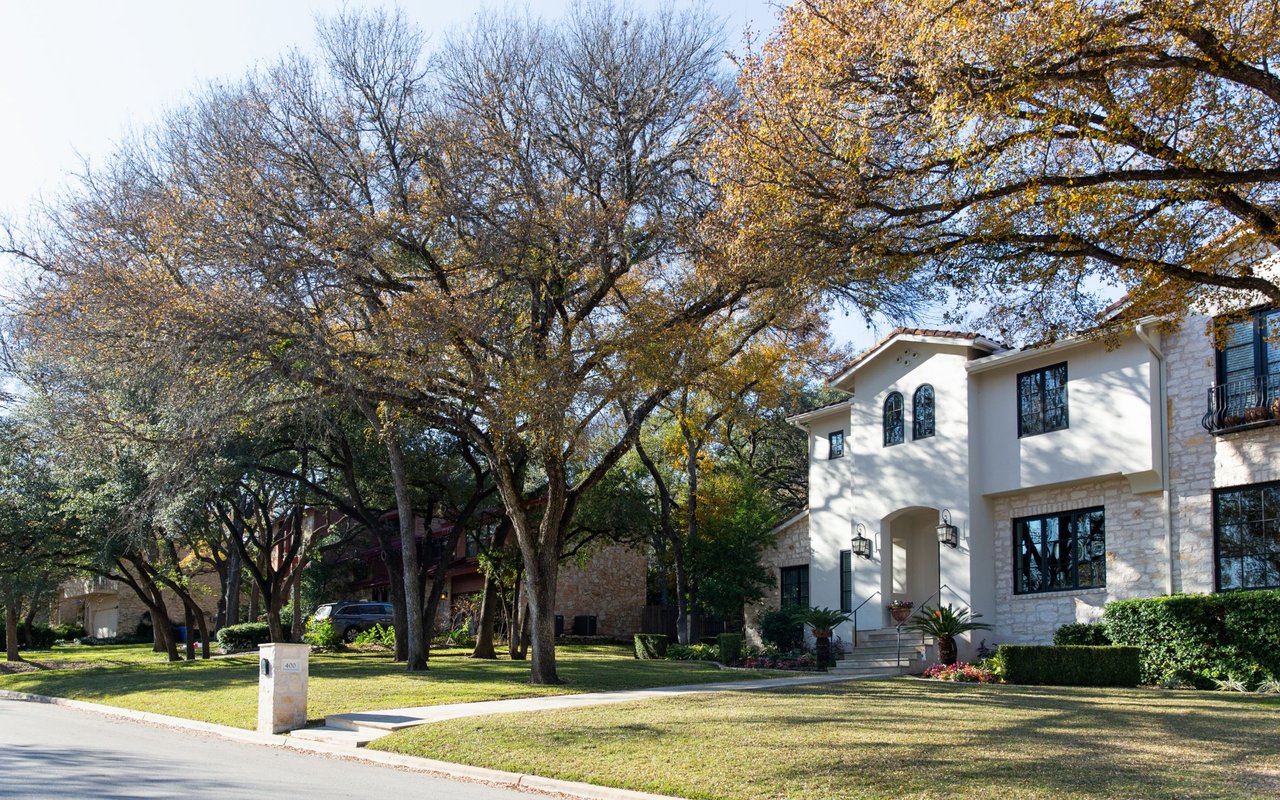
Old West Austin has a mature housing stock, historic overlays, and highly localized micro-markets. Small differences on the map can result in different values, so truly comparable sales are critical.
Location and neighborhood context
- Proximity to downtown, the Colorado River, Zilker Park, and major employment corridors often supports higher per-square-foot values.
- Walkability, street access, and traffic patterns may affect demand and noise levels.
- Micro-neighborhood boundaries matter. Appraisers prefer comps from very close by, sometimes within the same block or a tight cluster of streets.
Lot and site characteristics
- Lot size and usable outdoor space influence value. Level, functional backyards tend to perform well.
- Views, mature tree canopy, and privacy add appeal. Old West Austin’s established live oaks can be a factor.
- Topography and drainage are important. If a property sits near a creek or inside a FEMA-designated floodplain, that risk can reduce value or change lending terms.
Age, condition, and historic status
- Older and historic homes are common. A historic overlay can limit modifications, which may affect some buyers’ plans and the appraiser’s view of future utility.
- Permitted renovations and quality upgrades matter. Documented updates to kitchens, baths, systems, and added conditioned space typically add more value than unpermitted work.
- System ages and remaining useful life, such as HVAC or the roof, are noted in the report.
Inventory and market dynamics
- Scarcity can support premiums. Old West Austin has limited new build sites and regulatory constraints, which often keep supply tight.
- Appraisers prioritize recent closed sales. In fast markets, closed comps may lag current list prices. In cooling markets, older high-watermark sales may be adjusted downward.
Features that often influence value
- Garages, off-street parking, or car storage can matter on parking-limited blocks.
- Pools and outdoor living, including covered patios and landscaping, often add value in Austin’s climate.
- Energy and utility upgrades, like new windows or updated HVAC, can support value when well documented.
What happens if the appraisal is low
A value below the contract price is not uncommon in tight, high-demand pockets. You still have options.
Common paths buyers and sellers consider
- Bring additional cash. If your loan amount is capped by loan-to-value limits, paying the gap is one solution.
- Renegotiate the price. You can ask the seller to reduce the price or split the difference.
- Request a reconsideration of value. Your lender can submit recent closed comps, permit records, and factual corrections. Success depends on the data and the lender’s process.
- Seek a second appraisal. Some lenders allow it within their policies, yet they may still rely on the original report.
- Use your appraisal contingency. If your contract includes one, you may be able to renegotiate or terminate under the terms. In Texas, not all contracts include an appraisal contingency, so confirm the language with your agent before you waive any rights.
The lender will not typically exceed loan-to-value limits. If the appraisal trims the eligible loan amount, you must bridge the gap with cash, change loan terms, or adjust price.
How sellers can prepare for the appraisal
You can help the appraiser see the full picture of your home’s value. A little preparation goes a long way.
- Create a property facts sheet. List upgrades, include permit numbers, contractor invoices, and dates of work.
- Provide access and a clean, functional presentation. Clear clutter, open blinds for natural light, and make mechanical areas easy to reach.
- Share recent, truly comparable closed sales. Ask your listing agent to prepare a concise comps package from nearby streets.
- Gather documents. Surveys, HOA details, utility improvements, and any prior appraisals can add context.
How buyers can plan for the appraisal
Reduce stress by anticipating the most likely scenarios.
- Discuss appraisal gaps early. Talk with your lender and agent about proof of funds and how a gap would be handled.
- Align on strategy. If you believe the price is ahead of the market, plan negotiation moves before the report arrives.
- Keep communication coordinated. Your agent and lender should channel info to the appraiser in a way that follows appraisal independence rules.
What to include in a reconsideration of value request
If the value seems off, a focused, factual submission can help your lender ask for a review.
- Recent closed comps that are closer in location, size, condition, or time on market.
- Proof of permitted renovations, including permits, invoices, and photos.
- Corrections to factual errors, such as square footage, bed and bath counts, or condition notes.
- Photos that show interior quality, outdoor spaces, and neighborhood context.
Keep the packet concise, accurate, and sourced. Quality beats quantity.
Cash purchases and private appraisals
Cash buyers sometimes skip a lender appraisal, yet many still order a private appraisal for peace of mind, planning future renovations, or aligning insurance and refinance goals. In a neighborhood with historic homes and micro-market pricing, a private appraisal can help you understand the range of value before you make major improvements.
Putting it all together in Old West Austin
Appraisals are designed to reflect the market as it is, using recent closed sales and verified data. In Old West Austin, the difference between two nearby blocks can be meaningful, historic overlays can influence renovation plans, and floodplain or topography can shift value. If you prepare well, document upgrades, and plan for several outcomes, you can keep your purchase or sale on track even when the market is moving fast.
If you want seasoned, local guidance through pricing, appraisal strategy, and negotiations in Old West Austin, connect with Johnny Ronca. You will get warm, hands-on service backed by strong market know-how and proven results.
FAQs
How does a mortgage appraisal work in Austin?
- A licensed appraiser inspects the property, analyzes recent comparable sales and market data, then delivers a value opinion that your lender uses to confirm sufficient collateral for the loan.
Who orders and pays for the appraisal in Old West Austin purchases?
- The lender orders the appraisal, usually through a management company, and the buyer typically pays the fee as part of closing costs.
How long does an appraisal take for Old West Austin homes?
- Many appraisals arrive 5 to 10 business days after inspection, though unique or historic properties and busy seasons can extend timelines.
What is the difference between a mortgage appraisal and a property tax appraisal?
- A mortgage appraisal is a one-time, lender-focused valuation for your purchase or refinance. A property tax appraisal is an annual value set by the county for tax purposes, and the numbers may differ.
What can I do if the appraisal comes in below my contract price?
- Options include bringing additional cash, renegotiating, requesting a reconsideration of value with better comps and documentation, seeking a second appraisal if allowed, or using an appraisal contingency if your contract includes one.