Downtown Austin High Rise Vs Mid Rise Living
February 26, 2026
February 26, 2026
You love the idea of waking up to the Austin skyline, but you’re torn: high-rise tower or boutique mid-rise? It’s a real choice in Downtown Austin, and the differences show up in your lifestyle, monthly costs, and long-term value. In this guide, you’ll compare both options side by side so you can buy with confidence. You’ll learn how views are protected, how HOA dues work, what to check in the HOA docs, and how leasing rules and financing affect resale. Let’s dive in.
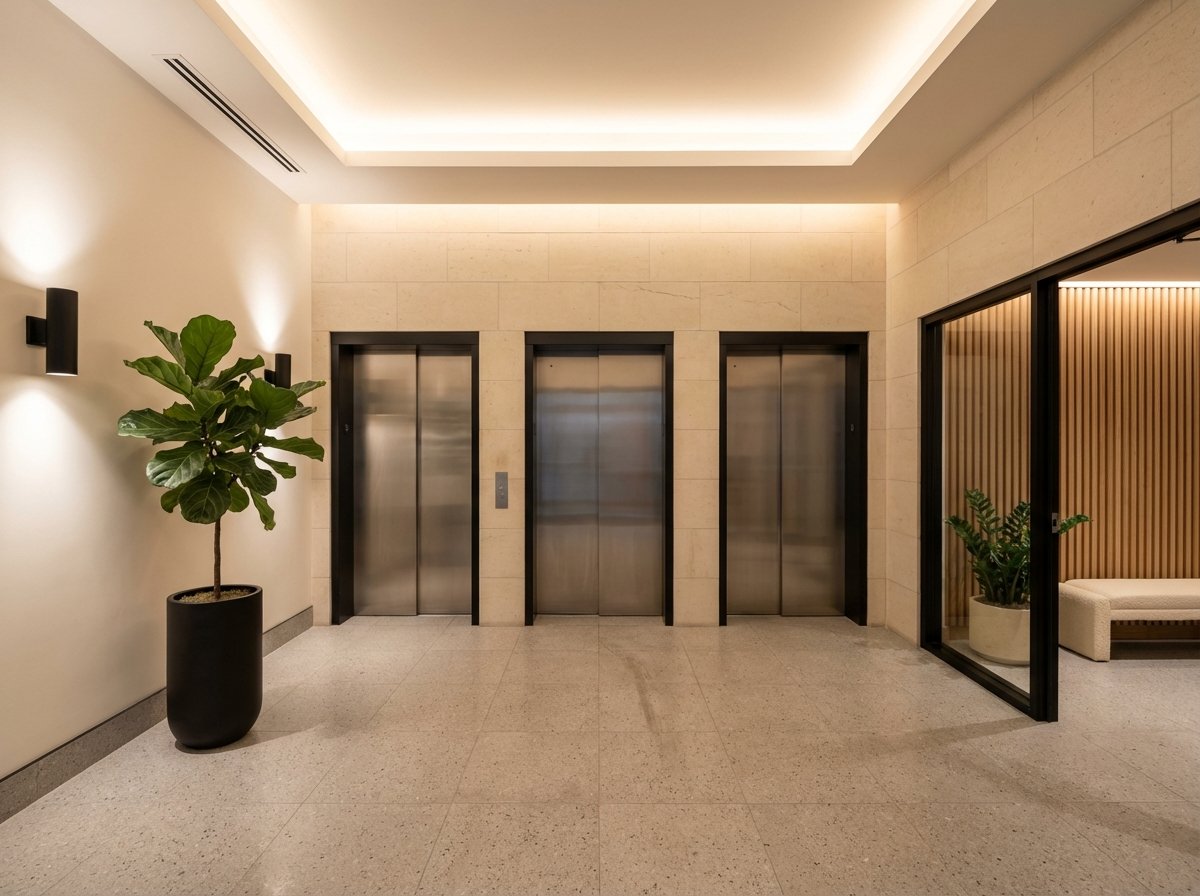
Before you shop, get the definitions straight. The International Building Code treats a building as a “high-rise” when an occupied floor is more than 75 feet above the lowest level of fire department access. That threshold triggers extra fire-life-safety and elevator-fire service requirements, which influence design and operations in tall towers. You can read a concise overview of this rule in Coffman Engineers’ explainer on what qualifies as a high-rise. Coffman Engineers explains the 75-foot IBC trigger.
In the Austin condo market, you’ll also hear casual shorthand. Mid-rise usually means low-to-mid single digits up to the low teens of floors. High-rise or tower often refers to roughly 20+ stories with multiple elevators and 24/7 staffing. The code definition is the legal standard, while story count is the on-the-ground language you’ll hear in showings and listings.
Downtown has a healthy mix of glass towers and boutique buildings. Well-known towers like The Austonian illustrate the full-service, high-amenity model that drives higher operating costs and HOA dues. For a sense of what that looks like in practice, review a tower’s concierge, club-level, and rooftop amenity packages. This Austonian overview highlights a typical tower amenity stack.
Mid-rises closer to the lake and adjacent neighborhoods tend to offer smaller amenity sets and a more intimate community feel. You’ll often see a fitness room, a courtyard or small pool, and limited staff hours. That leaner footprint usually lowers monthly dues compared with full-service towers.
If your top priority is a lake, Capitol, or skyline view, learn this term: Capitol View Corridors. Several protected corridors cross downtown and adjacent areas to preserve views of the Texas State Capitol dome. These overlays control height and massing, which shapes where towers can rise and which exposures will keep that postcard view over time. Always pull the city’s overlay map during due diligence so you don’t assume a view that could be blocked later. Use the City of Austin’s Capitol View Corridors layer.
It’s simple: higher floors tend to deliver wider views, more daylight, and greater separation from street activity. In dense parts of downtown, nearby towers or a protected corridor can cut the view angle in some directions, so verify the sightlines from the actual unit and study the overlay maps early.
If you want a quiet, light-filled retreat, pay attention to orientation and neighbors as much as floor height. A mid-rise corner unit facing a park can feel just as airy as a 30th-floor tower residence. Ask for any planned development nearby and confirm whether a future building could change your light or outlook.
Towers often deliver splashy amenities: rooftop pools, large club rooms, on-site security, valet or stacked parking, and 24/7 concierge. Those services raise staffing, maintenance, and insurance costs, which flow into monthly HOA dues. Review the amenity slate and staffing model to understand what you’re paying for. Austonian tower amenities show how service drives HOA needs.
Mid-rises typically trade the big-ticket features for a leaner package. You still get the essentials, but fewer staff and systems usually mean lower recurring dues. Always compare your full monthly housing cost, not just the mortgage. Add HOA dues to utilities and insurance to see the real carrying cost.
If you live above a few floors, you’ll rely on elevators daily. Towers handle heavy use with complex elevator systems. That’s why you should ask for elevator maintenance records, any modernization history, and the association’s service contract terms. Modernization cycles and outages affect access and are a real line item in reserves. For context on cost and planning, see this industry overview of elevator maintenance and upgrades. Elevator maintenance and modernization overview.
Moves also look different in tall buildings. Many towers require pre-booked move windows, certificates of insurance for movers, freight elevator reservations, protective padding, and move fees. Smaller mid-rises can be simpler to navigate, with fewer restrictions and quicker load-in/out.
Downtown Austin hosts frequent festivals and a vibrant entertainment scene in corridors like 2nd Street and Rainey. That energy is a perk for many buyers, but it also brings late-evening activity, rideshare congestion, and amplified sound during permitted events. Study the block, visit at night, and review local rules so you know what life sounds like on weekends. Check Austin’s entertainment and amplified sound guidance.
If you’re noise-sensitive, prefer inward-facing or higher-floor residences and ask about glazing, construction type, and any sound mitigation steps in the building.
A healthy association is non-negotiable. Review the last 3 to 5 years of HOA budgets, operating statements, and meeting minutes. Ask for the reserve study or a written plan to fund capital items like roofs, façades, garages, and elevators. Underfunded reserves often lead to special assessments, which raise owner costs and can spook buyers and lenders. For a practical primer, read this guide to reserves and assessments. Understand reserves, special assessments, and what to request.
Insurance matters too. Confirm the master policy’s coverage, the master deductible, and recent premium changes. You will still need an HO-6 policy for interior finishes, personal property, and liability. Ask the building’s broker or board what HO-6 limits they recommend and whether loss assessment coverage is advisable given the master deductible.
If you plan to rent the unit, read the CC&Rs and rules carefully. In Texas, associations can restrict rentals and short-term rentals if their governing documents allow. Check for minimum lease durations, rental caps, and STR prohibitions before you write an offer. Learn how Texas associations approach STR restrictions.
Austin has also updated parts of its STR enforcement and Hotel Occupancy Tax approach. That can change the economics and viability of operating STRs in certain buildings or districts. Verify what’s allowed in the building and how city permitting affects advertising and compliance. Review recent Austin STR-related updates and records.
A building’s FHA or VA eligibility shapes your future buyer pool. FHA maintains project approvals and a single-unit approval path, which can open doors for buyers using lower down payments. Ask your lender or agent to confirm a building’s status and any limits that could affect financing. See HUD’s guidance on condo approvals.
Market context also matters. Central Austin cooled and stabilized in 2025 compared with the pandemic run-up, with more inventory and less frenzy. That can stretch marketing times and reward clean, well-priced listings that show well. Conservative underwriting and smart prep win in this climate. Austin market snapshot: inventory and moderation.
When you think about resale, focus on four levers:
Use this list during tours and before you offer:
Ready to see how these trade-offs play out in real buildings and floor plans? Let’s make a clear, numbers-backed plan for your goals and tour the best options side by side. Reach out to Johnny Ronca to compare buildings, review HOA documents, and negotiate your next downtown home with confidence.
Stay up to date on the latest real estate trends.
Real Estate
Real Estate



I am committed to guiding you every step of the way—whether you're buying a home, selling a property, or securing a mortgage. Whatever your needs, I've got you covered.
7415 SOUTHWEST PKWY BLDG 2 STE 200 AUSTIN TX 78620