
Downtown Austin Condo HOA Fees and What They Mean
December 18, 2025
December 18, 2025
If you are eyeing a downtown Austin condo, the monthly HOA fee can feel like a moving target. You want the lock-and-leave lifestyle, but you also want to know exactly what you are paying for and why. In this guide, you will learn how fees are set, what they usually cover, what can make them rise, and how to verify the true cost for any building before you commit. Let’s dive in.
Condo HOA fees fund the operation and upkeep of the building and its common spaces. In Downtown Austin, that typically includes:
What HOA fees usually do not cover:
Insurance interplay to understand:
Every association follows its recorded declaration and bylaws for how assessments are calculated. Common allocation methods include:
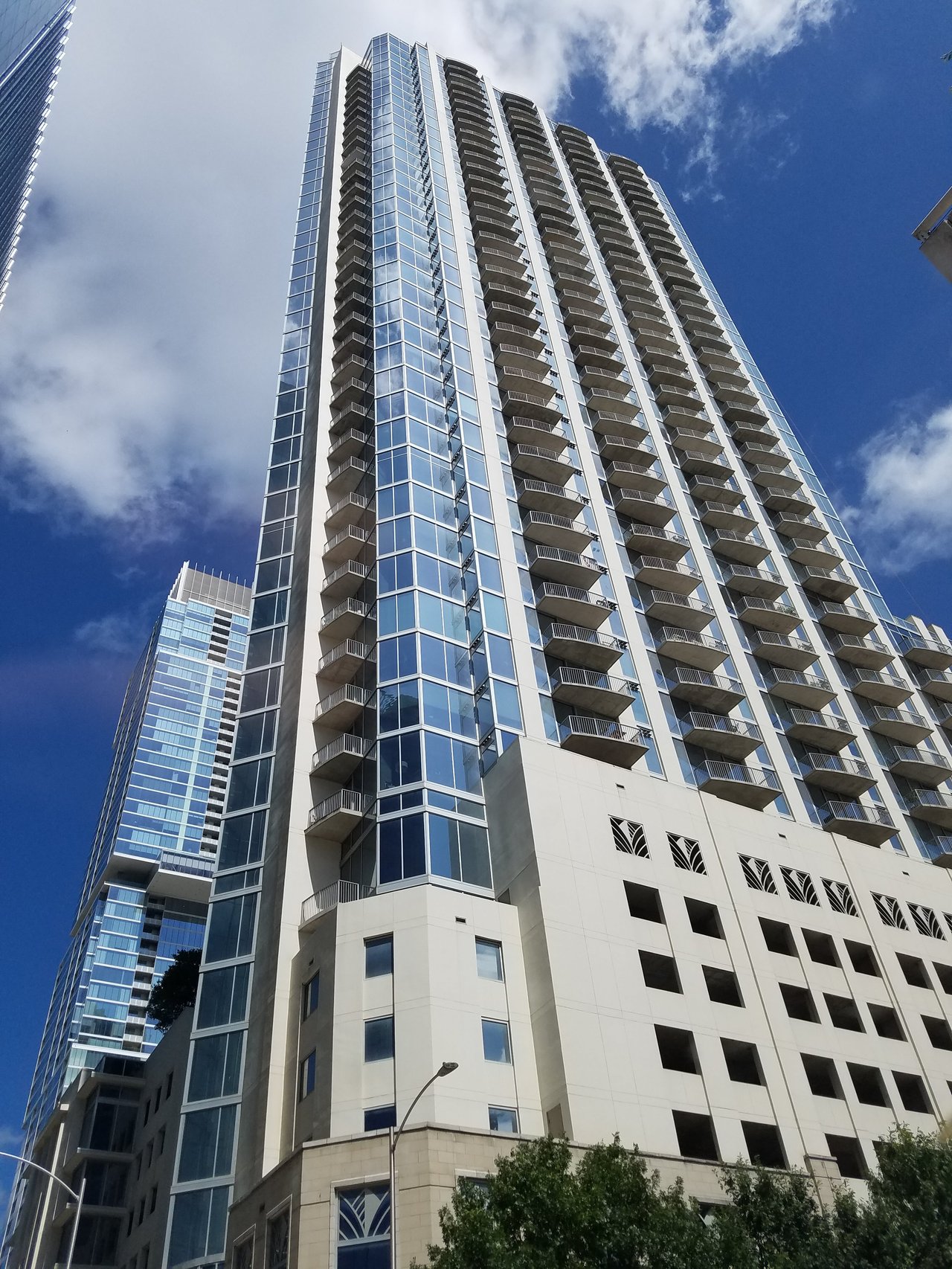
Downtown high-rises tend to carry higher operating costs than low-rise or loft-style buildings. Elevators, large HVAC systems, secure parking structures, and multiple amenity spaces all increase the budget. Buildings with 24-hour staffing or valet services usually have higher dues than buildings with minimal services.
Age and condition also play a role. An older building with limited amenities might have moderate dues today, but if reserves are thin and a roof or elevator is nearing replacement, expect fees to rise or a special assessment to appear. Reserve funding status is one of the most important indicators of future stability.
Monthly HOA fees downtown vary widely. Some buildings land in the lower range for high-rises, while premium towers with more amenities and larger units can be in the higher range. Because exact numbers change by building and over time, verify the current amount in the MLS listing and confirm it in the resale certificate or association budget for the unit you are considering.
Local cost drivers add context. Downtown Austin has higher costs of labor and utilities than many suburban areas, and property values can push insurance and maintenance budgets higher. Amenities like rooftop pools, expansive fitness centers, concierge teams, and secure package and bike rooms also add ongoing expense.
Parking and utilities are common variables. Some buildings include water and trash in the dues, while others pass more utilities to individual owners. Assigned or covered parking can be included, optional, or operated as a separate fee. Always confirm inclusion details before you buy.
Before you close, you should receive a resale certificate or HOA disclosure packet. This is your most authoritative source for true costs and financial health. Key items to review include:
Look for alignment between the reserve study’s recommendations and the association’s actual funding. If large capital projects are projected soon but reserves are low, plan for higher dues or a special assessment.
A few signs deserve extra attention:
Consequences can be real. Underfunded reserves often lead to special assessments, reduced services, or deferred maintenance that can affect property values. Associations in Texas can place liens for unpaid assessments and may foreclose after required notices and procedures, so it is smart to review the collection history and policies.
Even in a well-run building, insurance clarity matters. Confirm exactly what the master policy covers, where the unit boundary lies, and the deductible amount. Then shop for an HO-6 policy that covers your interior finishes, personal property, liability, and loss assessment if appropriate.
A large master policy deductible can shift costs to owners if there is a major claim. Knowing this ahead of time lets you tailor your HO-6 coverage and budget with eyes wide open.
If you plan to rent your unit, check two layers of rules:
Rules vary by building, and municipal policies can evolve. Confirm the latest details directly with the association and the city before relying on rental income in your plans.
Use this quick list before you make an offer or while under contract:
A well-prepared resale helps you avoid delays and renegotiations:
If the building faces major repairs or a large special assessment, buyers often seek a credit at closing or a price adjustment. Clear documentation helps both sides assess the true cost and find common ground.
Some lenders evaluate condo project health as part of loan approval. Insurance coverage, reserve funding, and litigation can influence that review. If you anticipate financing, coordinate early with your lender and your agent to confirm the building meets current criteria.
Not all downtown condos are alike. Think in profiles when you evaluate fees and value:
The right choice depends on your priorities. If you want full-service convenience, factor in the premium for staffing and amenities. If you prefer lower monthly costs, verify reserve health and upcoming projects so near-term savings do not turn into a surprise assessment.
Because fees can shift, rely on building-specific documents rather than hearsay. Check the MLS listing for the current fee, then confirm it against the association’s latest budget and the resale certificate for the unit. Ask about any approved but not yet billed increases or special assessments so you capture the full picture.
Your Downtown Austin condo HOA fee is more than a line item. It is a snapshot of building services, upkeep quality, and future risk. When you understand how fees are set, what they include, and where reserves stand, you can compare buildings with confidence and budget with clarity.
If you want a second set of eyes on a specific building’s documents or help comparing options, reach out to Johnny Ronca for experienced, relationship-first guidance across Central Austin condos. Let’s connect and make your next move smooth and smart.
Your insider guide to buying smart in Austin's market. 11 chapters covering undervalued neighborhoods, 2/1 buydown strategies, off-market deals, school rankings, and expert tactics from a Top 1% agent with 270+ closed transactions.
Stay up to date on the latest real estate trends.



I am committed to guiding you every step of the way—whether you're buying a home, selling a property, or securing a mortgage. Whatever your needs, I've got you covered.
7415 SOUTHWEST PKWY BLDG 2 STE 200 AUSTIN TX 78620